If you’re refinishing a facade, you’ll likely choose between EIFS (Exterior Insulation and Finish Systems) and traditional stucco. Both look great when done right — but they behave very differently. Here’s how to decide.
What is traditional stucco?
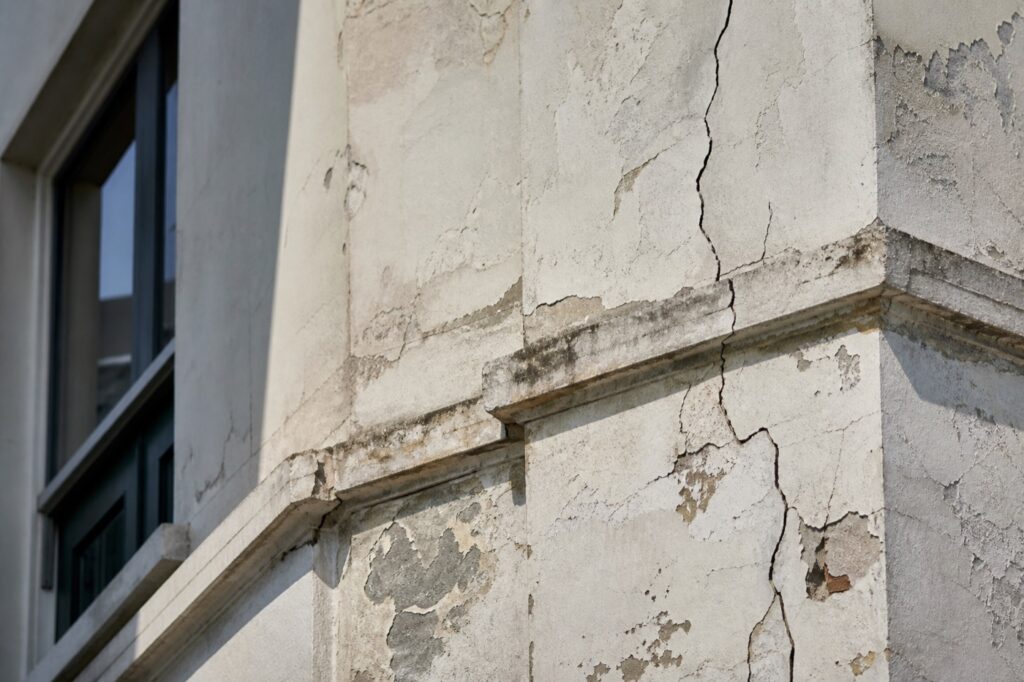
Traditional stucco is a cement-based plaster applied in coats over a lath. It’s hard, dense, fire-resistant and extremely durable — it has protected buildings for centuries. It offers little insulation value on its own, and because it’s rigid, it can crack with building movement.
What is EIFS?
EIFS is a multi-layer system: a foam insulation board, a base coat with reinforcing mesh, and a flexible finish coat. It dramatically improves energy efficiency, resists cracking thanks to its flexibility, and can be shaped into decorative profiles.
Head to head
- Insulation: EIFS wins decisively — the foam layer boosts the whole wall’s R-value.
- Durability: Stucco is harder and more impact-resistant; EIFS is more crack-resistant.
- Moisture: Modern drainage-plane EIFS manages water well; older barrier EIFS required careful detailing. Stucco needs proper flashing and a weather-resistant barrier.
- Cost: Comparable installed, but EIFS often pays back through lower energy bills.
- Look: Both offer a wide range of textures and colours.
So which should you choose?
For energy performance and design flexibility on commercial and residential buildings, EIFS is often the smart modern choice. Where maximum hardness, fire resistance or a heritage match matters, traditional stucco still leads.
The real answer: it depends on your building
Climate, wall assembly, budget and the look you want all factor in. Our crews install and restore both systems across Ontario — so our recommendation is based on your project, not on what we happen to sell. Ask us for an honest assessment.